Get 5% Off your first order! Use Code : MEWAMITRA5
Free Flavoured Cashews on Orders Above ₹2999
🚚 Free Shipping on Orders Above ₹799 | Shop Now & Save More!
Mewa Mitra Royal Combo – ₹1,442 | Premium Dry Fruits
Mewa Mitra Signature Combo – ₹1222 | Best Seller
Mewa Mitra Classic Combo – ₹913 | Value Pack
Mewa Mitra Elite Combo – ₹489 | Value Pack
Get 5% Off your first order! Use Code : MEWAMITRA5
Free Flavoured Cashews on Orders Above ₹2999
🚚 Free Shipping on Orders Above ₹799 | Shop Now & Save More!
Mewa Mitra Royal Combo – ₹1,442 | Premium Dry Fruits
Mewa Mitra Signature Combo – ₹1222 | Best Seller
Mewa Mitra Classic Combo – ₹913 | Value Pack
Mewa Mitra Elite Combo – ₹489 | Value Pack

Which Dry Fruits Are Best for Healthy Weight Management?

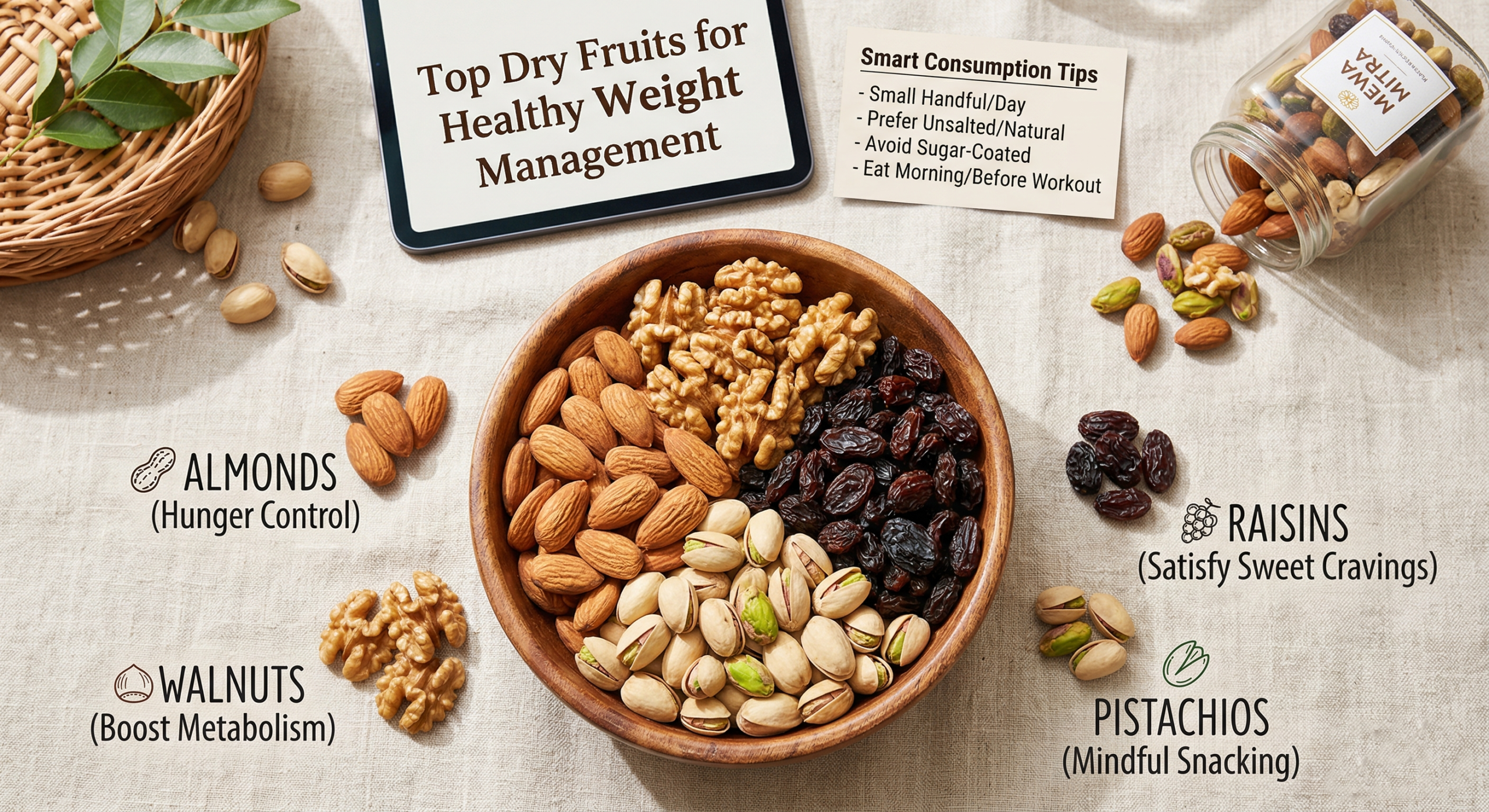
If you’re trying to lose weight, you’ve probably heard mixed opinions about dry fruits.
Some people avoid them because they’re high in calories, while others swear by them as a healthy snack. So, who’s right?
The truth is, dry fruits can absolutely be part of a healthy weight management plan as long as you eat them in the right portions. In fact, many nutritionists recommend dry fruits because they’re packed with healthy fats, protein, fiber, and essential nutrients that help keep you satisfied for longer.
At Mewa Mitra, we believe healthy eating doesn’t have to be boring. Premium-quality dry fruits can satisfy your hunger, curb unhealthy cravings, and give your body the nutrition it needs throughout the day.
Let’s explore which dry fruits are best for managing your weight and how you can include them in your daily routine.
Can Dry Fruits Help with Weight Management?
Yes, they can.
Although dry fruits are calorie-dense, they’re also incredibly filling. Their combination of protein, dietary fiber, and healthy fats helps slow digestion, keeping you full for longer and reducing the urge to snack on unhealthy foods.
Many dry fruits also have a low glycemic impact, which helps maintain steady energy levels and supports better appetite control.
The secret isn’t avoiding dry fruits—it’s eating them mindfully.
Best Dry Fruits for Healthy Weight Management
Almonds
Almonds are one of the most recommended dry fruits for people trying to maintain or lose weight.
They’re rich in protein, fiber, vitamin E, and healthy fats that help control hunger and keep you feeling satisfied between meals. A small handful of almonds makes an excellent mid-morning or evening snack without leaving you feeling heavy.
Walnuts
Walnuts are known for their high omega-3 fatty acid content.
Healthy fats found in walnuts support heart health while also helping you stay full for longer. They’re a great option if you’re trying to replace processed snacks with something more nutritious.
Adding a few walnuts to your breakfast or salad is an easy way to include them in your diet.
Pistachios
If you’re looking for a lighter snack, pistachios are a fantastic choice.
Compared to many other nuts, pistachios are relatively lower in calories while still providing protein and fiber. Eating pistachios in their shells can also encourage slower, more mindful eating, making it easier to manage portion sizes.
Raisins
Raisins often get overlooked because they’re naturally sweet.
However, when eaten in moderation, they can be a healthier alternative to sugary snacks. They’re rich in fiber, iron, and antioxidants while helping satisfy sweet cravings without reaching for processed desserts.
A small portion is usually enough to enjoy their natural sweetness.
How Much Should You Eat?
One of the biggest mistakes people make is assuming that because dry fruits are healthy, they can eat unlimited amounts.
Like any nutritious food, portion control matters.
For most adults, a small handful (about 25–30 grams) of mixed dry fruits per day is generally enough to enjoy the benefits without consuming excess calories.
You can also divide your serving into two smaller portions throughout the day if that fits your routine better.
Tips for Including Dry Fruits in Your Diet
Here are a few simple ways to enjoy dry fruits while supporting your weight goals:
- Eat them as a mid-morning or evening snack.
- Add chopped almonds or walnuts to oatmeal or yogurt.
- Mix pistachios into homemade trail mix.
- Enjoy a few raisins when you’re craving something sweet.
- Pair dry fruits with fresh fruits for a balanced snack.
Choosing natural, unsalted dry fruits is always a better option than flavored or sugar-coated varieties.
Common Mistakes to Avoid
Even healthy foods can work against your goals if you’re not careful.
Here are a few habits worth avoiding:
- Eating directly from large packets without measuring portions.
- Choosing salted, roasted, or sugar-coated dry fruits.
- Replacing balanced meals entirely with dry fruits.
- Assuming “healthy” means “eat as much as you want.”
A balanced diet and regular physical activity remain the foundation of healthy weight management.
Why Choose Mewa Mitra?
At Mewa Mitra, we believe that quality makes all the difference.
Our premium dry fruits are carefully selected for freshness and taste, without unnecessary additives or artificial flavours. Whether you’re building healthier eating habits or simply looking for nutritious snacks, we make it easier to enjoy natural dry fruits you can trust.
Remember, healthy weight management isn’t about strict diets or giving up your favourite foods. It’s about making smarter choices every day—and adding the right dry fruits to your routine is one simple step in the right direction.
Frequently Asked Questions
1. Which dry fruit is best for weight management?
Almonds, walnuts, pistachios, and raisins are among the best dry fruits because they provide protein, fiber, and healthy fats that help keep you full.
2. Can I eat dry fruits every day while trying to lose weight?
Yes. Eating a moderate portion of natural, unsalted dry fruits daily can support healthy weight management as part of a balanced diet.
3. How many dry fruits should I eat in a day?
A small handful, approximately 25–30 grams, is generally considered a suitable daily serving for most adults.
4. Are raisins good for weight loss?
Raisins can be enjoyed in moderation. They help satisfy sweet cravings naturally and provide fiber and antioxidants without refined sugar.
5. Which dry fruits should I avoid for weight management?
It’s best to avoid sugar-coated, chocolate-covered, or heavily salted dry fruits, as they contain added sugar, sodium, or unhealthy ingredients that may not support your health goals.



 Almonds
 Cashew
 Kaju Katli
 Makhana
 Peanuts
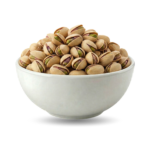 Pistachios
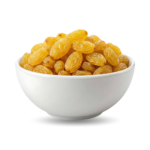 Raisins
 Seeds
Seeds Walnuts