Get 5% Off your first order! Use Code : MEWAMITRA5
Free Flavoured Cashews on Orders Above ₹2999
🚚 Free Shipping on Orders Above ₹799 | Shop Now & Save More!
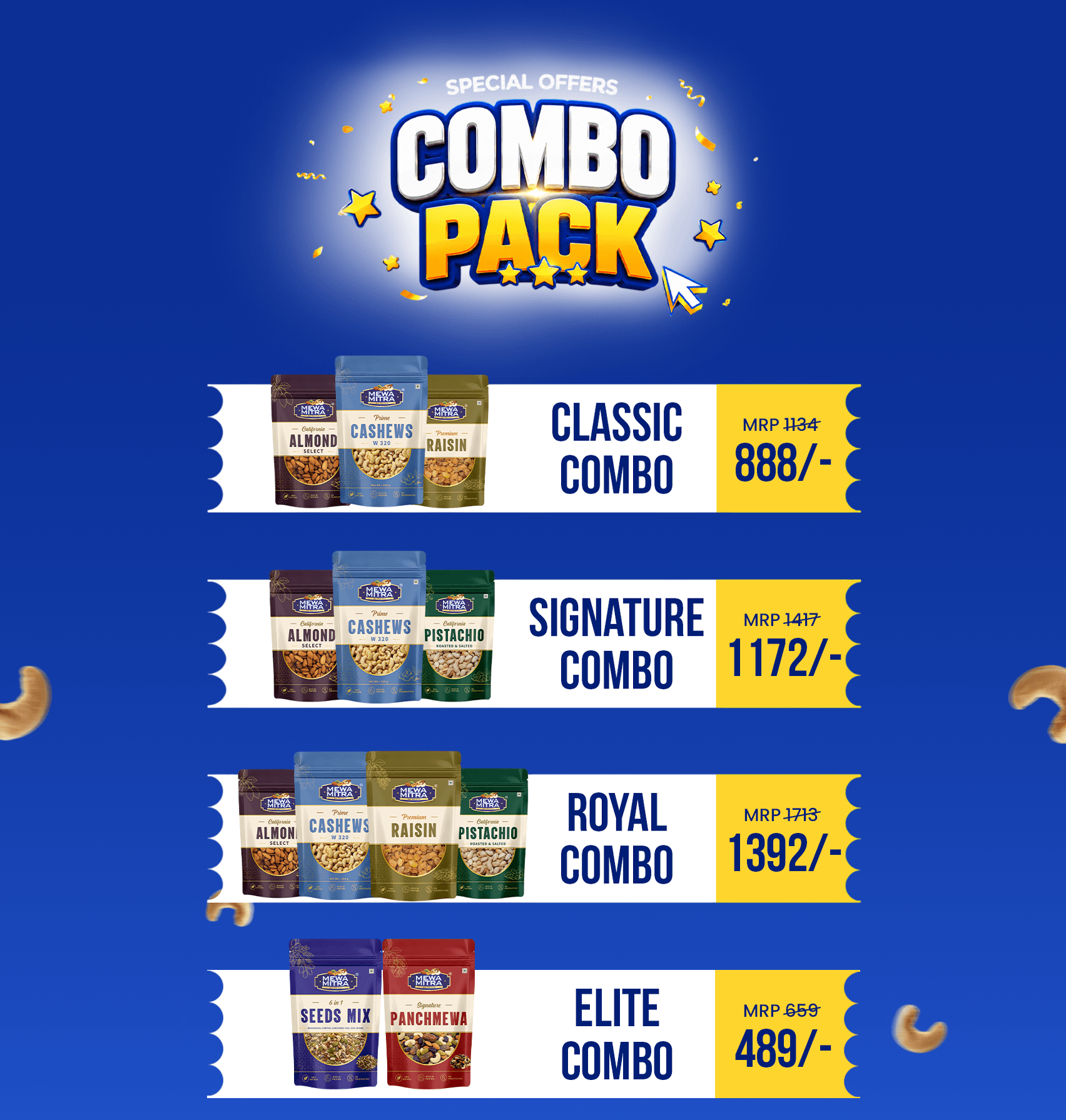
Mewa Mitra Royal Combo – ₹1,392 | Premium Dry Fruits
Mewa Mitra Signature Combo – ₹1172 | Best Seller
Mewa Mitra Classic Combo – ₹888 | Value Pack
Mewa Mitra Elite Combo – ₹489 | Value Pack
Why This Book Exists
For most of my life in this trade, I have watched cashews get judged by one thing: size. A buyer walks up to a sack, picks out a kernel, holds it between two fingers, squints at it, and asks — how big? I have seen this happen in mandis from Rajasthan to Kerala. I have done it myself. It took me years to understand how much that single habit hides.
A cashew is not a size. It is a tree that took years to bear its first fruit, planted by a farmer who could not afford to be impatient. It is a fruit that most people in the world have never tasted — soft, astringent, gone within two days of falling from the branch, discarded in nearly every country where the kernel is loved and prized.
It is a shell that guards its treasure with a caustic oil sharp enough to blister the hands that crack it open, hour after hour, year after year, in processing units that most buyers never visit and most eaters
never think about. It is a worker’s hands — steady, fast, practiced — doing in three seconds what no machine has fully learned to replicate.
By the time a cashew reaches your plate — in a gift tin, a hotel bowl, a kaju katli, a creamy korma, a child’s palm during Diwali — it has already been a tree, a fruit, a risk, a skill, a trade, and a small act of love.
Size is the last and smallest part of that story.
Cashewpedia exists because I kept meeting people — buyers, home cooks, halwais, hotel chefs, even fellow traders with decades behind them — who knew the trade but not the whole truth of what they were handling. Who bought on grade but not on freshness. Who knew the price but not the person behind it.
This is my attempt to change that. It is not a sales document. It is not a recipe book in the ordinary sense. It is not a collection of health claims dressed up as science. It is an honest, practical, human account of everything I have learned about cashew — in mandis, on processing floors, in conversations with farmers at four in the morning when the dew is still on the fruit and the day’s decisions are just beginning.
If this book changes the way you look at a single kernel — if the next time you pick one up you hold it just a moment longer before asking how big it is — it has done its job.
— Vinay Malpani Founder, Mewa Mitra


 Almonds
 Cashew
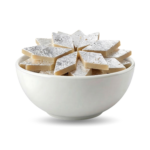 Kaju Katli
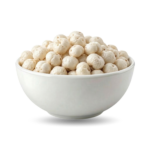 Makhana
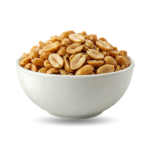 Peanuts
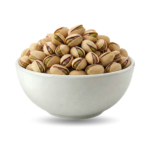 Pistachios
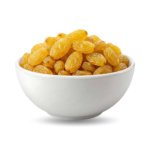 Raisins
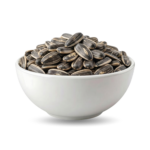 Seeds
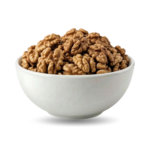 Walnuts