Get 5% Off your first order! Use Code : MEWAMITRA5
Free Flavoured Cashews on Orders Above ₹2999
🚚 Free Shipping on Orders Above ₹799 | Shop Now & Save More!
Mewa Mitra Royal Combo – ₹1,392 | Premium Dry Fruits
Mewa Mitra Signature Combo – ₹1172 | Best Seller
Mewa Mitra Classic Combo – ₹888 | Value Pack
Mewa Mitra Elite Combo – ₹489 | Value Pack
Get 5% Off your first order! Use Code : MEWAMITRA5
Free Flavoured Cashews on Orders Above ₹2999
🚚 Free Shipping on Orders Above ₹799 | Shop Now & Save More!
Mewa Mitra Royal Combo – ₹1,392 | Premium Dry Fruits
Mewa Mitra Signature Combo – ₹1172 | Best Seller
Mewa Mitra Classic Combo – ₹888 | Value Pack
Mewa Mitra Elite Combo – ₹489 | Value Pack
What Happens to Your Body When You Eat Cashew Every Day?

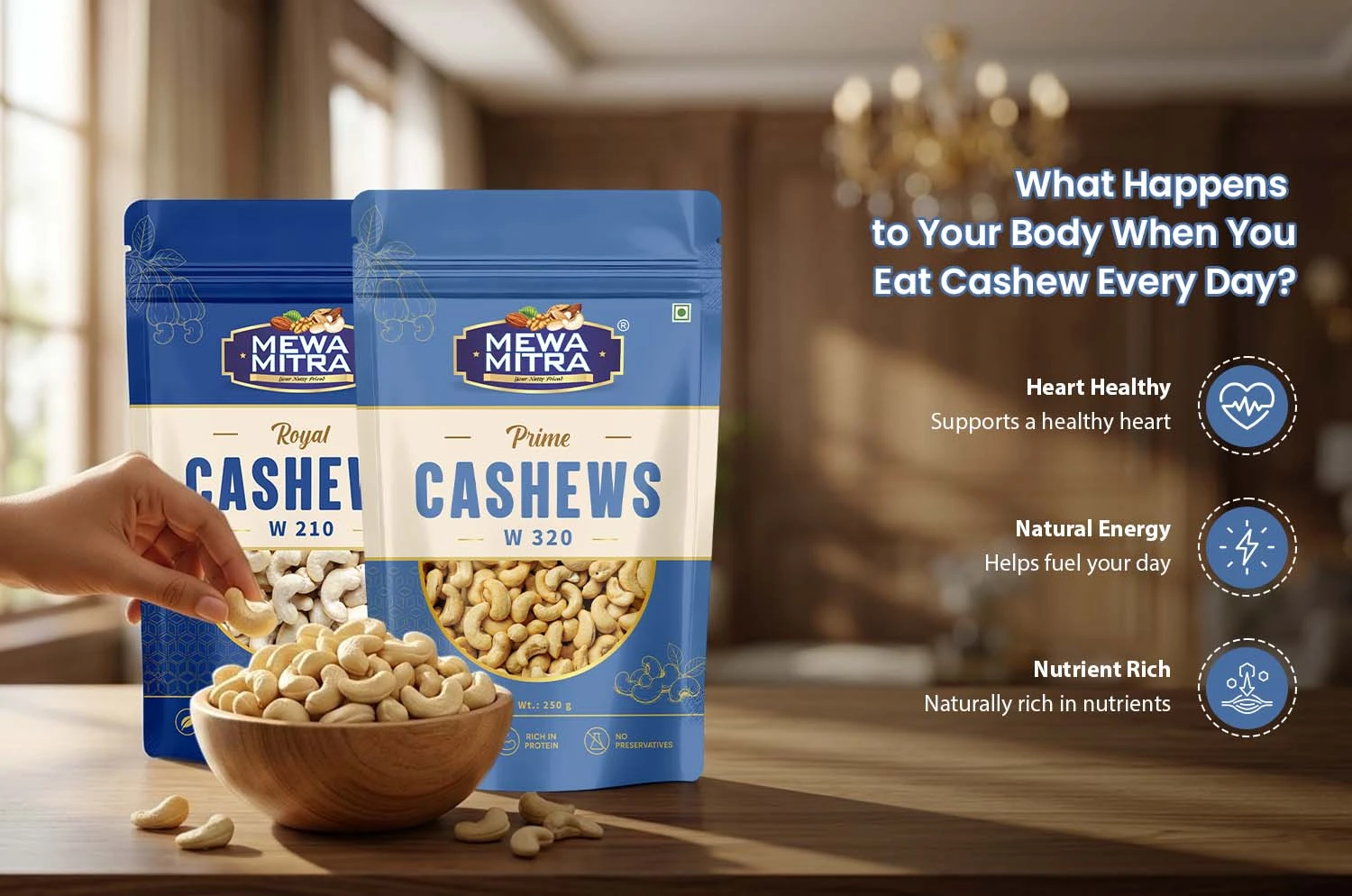
Cashews are a staple in everything from high-protein trail mixes to rich Indian curries. But when it comes to daily snacking, many people hesitate. Because nuts are naturally high in fat, there is a lingering fear that eating them every day will derail your health goals.
But what actually happens when you make premium cashews a daily habit?
We’re breaking down the science, busting common myths, and answering the most frequently asked questions about this buttery superfood.
Do Cashews Make You Gain Weight?
It is a common myth that the fat content in nuts automatically leads to weight gain. When eaten in moderation, cashews can actually support healthy weight management.
- Satiety: Cashews are packed with plant-based protein and healthy fats, which keep you feeling full longer and prevent overeating between meals.
- Hormone Regulation: The protein in cashews helps decrease ghrelin, the hormone that signals hunger to your brain.
- Caloric Absorption: Recent studies suggest that the human body may not absorb up to 16% of the calories in raw cashews because some of the fat remains trapped in the nut’s fibrous cell walls during digestion.
Curious about how other nuts compare for weight loss? Read our full guide: Which Dry Fruits Are Best for Healthy Weight Management?
Are Cashews Good for Your Heart?
Yes. Despite being high in fat, cashews contain predominantly healthy unsaturated fats, specifically oleic acid—the same heart-healthy fat found in olive oil.
These healthy fats help lower LDL (“bad”) cholesterol while maintaining HDL (“good”) cholesterol. Furthermore, cashews are naturally cholesterol-free and sodium-free.
Tip: If you are watching your blood pressure, skip the heavily salted brands and opt for premium, minimally processed varieties.
Can People with Diabetes Eat Cashews?
Yes, cashews are considered an excellent, diabetes-friendly food.
They have a low glycemic index, meaning they are digested slowly. Instead of causing a rapid spike in blood sugar, they provide a steady, gradual release of energy. The healthy fats and protein also aid in stabilizing blood glucose levels, making them a much smarter afternoon snack than carbohydrate-heavy alternatives.
Why Are Cashews So Expensive?
The high price of cashews comes down to how they grow and the intense labor required to harvest them safely.
Unlike peanuts or almonds, cashews do not grow in clusters. A single cashew kernel grows attached to the bottom of a fruit called a “cashew apple.” That means one fruit yields only one nut. Furthermore, the raw shell contains a toxic oil (similar to poison ivy) that must be carefully removed through heat processing before the nut is safe to handle and eat.
What Do Cashew Grades Like “W180” or “W240” Mean?
If you are buying premium cashews, you will often see grading codes. These codes tell you exactly what you are getting in terms of quality and size.
- “W” means White Whole: This signifies the highest quality—the kernel is whole, unblemished, and free of dark spots.
- The Number (e.g., 180, 240, 320): This is the kernel count per pound. A lower number means the individual nuts are larger.
At Mewa Mitra, we source only the finest grades. If you want the ultimate luxury snacking experience, our giant Cashew W180 – 250gm (known as the “King of Cashews”) is the top tier. For the perfect balance of premium size and everyday value, our Cashew W240 250gm and Cashew W320 250gm are pantry essentials.
Frequently Asked Questions (FAQ)
Can I eat cashews at night?
Yes. Cashews contain magnesium, which can help relax your muscles and improve sleep quality. However, because they are calorie-dense, try to eat them at least an hour before bed so your body has time to digest them.
What is the best way to store cashews?
Because of their high oil content, cashews can go rancid if left in warm or humid conditions. The best way to store them is in an airtight container in a cool, dark pantry (for up to a month) or in the refrigerator (for up to six months).
Are the “raw” cashews in stores actually raw?
No. Truly raw cashews contain urushiol, the same toxin found in poison ivy. All commercial cashews are steamed, boiled, or roasted to remove this toxin. When a package says “raw,” it simply means they haven’t been additionally roasted or salted for flavor.
How many cashews should I eat a day?
Nutritionists generally recommend a 1-ounce serving per day. This is approximately 15 to 18 whole cashew kernels, which provides the perfect balance of healthy fats, protein, and essential minerals without excessive calories.



 Almonds
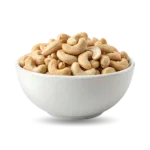 Cashew
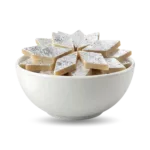 Kaju Katli
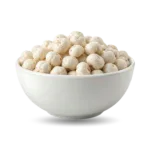 Makhana
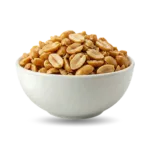 Peanuts
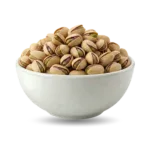 Pistachios
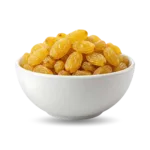 Raisins
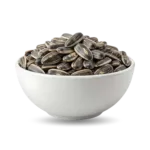 Seeds
Seeds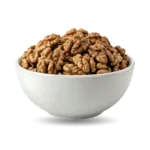 Walnuts