Get 5% Off your first order! Use Code : MEWAMITRA5
Free Flavoured Cashews on Orders Above ₹2999
🚚 Free Shipping on Orders Above ₹799 | Shop Now & Save More!
Mewa Mitra Royal Combo – ₹1,442 | Premium Dry Fruits
Mewa Mitra Signature Combo – ₹1222 | Best Seller
Mewa Mitra Classic Combo – ₹913 | Value Pack
Mewa Mitra Elite Combo – ₹489 | Value Pack
Get 5% Off your first order! Use Code : MEWAMITRA5
Free Flavoured Cashews on Orders Above ₹2999
🚚 Free Shipping on Orders Above ₹799 | Shop Now & Save More!
Mewa Mitra Royal Combo – ₹1,442 | Premium Dry Fruits
Mewa Mitra Signature Combo – ₹1222 | Best Seller
Mewa Mitra Classic Combo – ₹913 | Value Pack
Mewa Mitra Elite Combo – ₹489 | Value Pack
Cashew vs Almonds: Which One is Healthier?

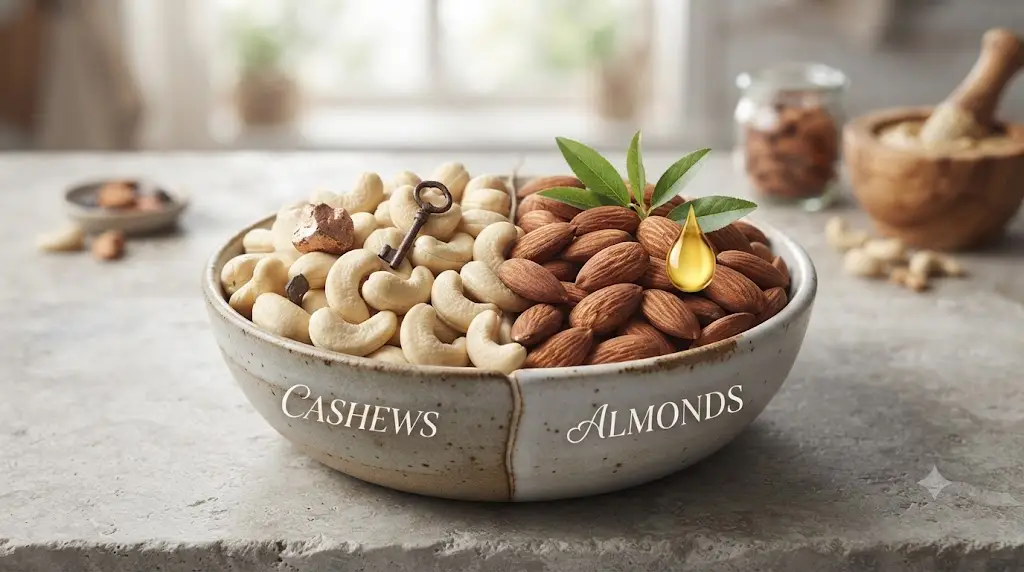
If you’ve ever stood in front of a shelf of dry fruits wondering whether to pick up a pack of cashews or almonds, you’re not alone. Both are among the most popular nuts in Indian households, both show up in everything from festive mithai to daily snacking bowls, and both come with a “healthy” label attached. But when you actually compare them side by side, small but important differences emerge in their calories, fat content, protein, vitamins, and the specific health benefits they offer.
Quick answer: Neither nut is universally “healthier” — almonds have a slight edge for weight management, blood sugar control, and daily snacking because they’re lower in calories and higher in fibre and vitamin E, while cashews win for muscle-building minerals like copper, magnesium, and iron, and are gentler on the stomach for people who find almonds heavy. The healthiest approach is usually to eat both, in the right portions, rather than choosing one over the other.
Let’s break down exactly why.
Cashews vs Almonds: Nutrition Comparison (Per 28g / One Handful)
Here is the nutritional comparison between cashews and almonds organized into a clear, easy-to-read table based on a 28g (1 oz) serving size:
| Nutrient | Cashews (28g) | Almonds (28g) |
| Calories | ~157 kcal | ~164 kcal |
| Protein | ~5.2 g | ~6 g |
| Total Fat | ~12.4 g | ~14 g |
| Saturated Fat | ~2.2 g | ~1.1 g |
| Carbohydrates | ~8.6 g | ~6.1 g |
| Fibre | ~0.9 g | ~3.5 g |
| Sugar | ~1.7 g | ~1.2 g |
| Calcium | ~10 mg | ~76 mg |
| Iron | ~1.9 mg | ~1.1 mg |
| Magnesium | ~83 mg | ~76 mg |
| Vitamin E | ~0.3 mg | ~7.3 mg |
| Copper | ~0.6 mg | ~0.3 mg |
Would you like to know more about the specific health benefits of incorporating either of these nuts into your daily diet?
Values are approximate and sourced from standard nutrition databases; actual figures vary slightly by variety and roasting method.
At a glance, almonds pull ahead on fibre, calcium, and vitamin E — nutrients tied to fullness, bone strength, and skin health. Cashews edge out almonds on iron and copper, minerals that support red blood cell formation and energy metabolism. Calorie-wise, the two are close enough that portion size matters far more than which nut you choose.
Health Benefits of Almonds
1. Better for weight management. Almonds are higher in fibre and slightly lower in carbs, which means they keep you fuller for longer and help control overeating between meals.
2. Rich in Vitamin E. Almonds are one of the best natural sources of vitamin E, a powerful antioxidant that protects skin cells from damage and supports a healthy immune system.
3. Supports heart health. The monounsaturated fats in almonds, combined with their low saturated fat content, help maintain healthy cholesterol levels.
4. Good for blood sugar. Because almonds have a low glycaemic index and a solid fibre content, they cause a slower, steadier rise in blood sugar — useful for people managing diabetes or insulin resistance.
5. Bone strength. Almonds contain noticeably more calcium than cashews, contributing to stronger bones and teeth over time.
Health Benefits of Cashews
1. Higher in copper and iron. These minerals play a direct role in energy production, immune function, and preventing anaemia — something almonds don’t offer in the same quantity. Curious what regular cashew consumption actually does to your body? We’ve covered it in detail in What Happens to Your Body When You Eat Cashews Every Day?
2. Easier on digestion. Cashews are lower in fibre and generally softer to chew and digest, which makes them a gentler choice for people with sensitive stomachs.
3. Supports eye health. Cashews contain lutein and zeaxanthin, antioxidants that help protect the eyes from age-related damage.
4. Naturally creamy and versatile. Their texture makes cashews ideal for plant-based milks, curries, and desserts like kaju katli, so they fit easily into both sweet and savoury Indian recipes. If you’re buying kaju katli rather than making it at home, it’s worth knowing how to spot the real thing — see our guide on Real vs. Fake Kaju Katli: How to Tell if Your Sweet is 100% Pure Cashew.
5. Good source of magnesium. Cashews support muscle and nerve function and, alongside calcium, contribute to healthy bones.
Cashews vs Almonds for Weight Loss
If weight loss is your main goal, almonds generally have the edge. They pack more fibre per serving, which slows digestion and keeps hunger at bay longer, and their slightly lower carbohydrate content means less impact on blood sugar spikes that can trigger cravings. That said, cashews aren’t “unhealthy” for weight loss either — the real factor that derails most people is portion size. A handful (roughly 28g, or about 15-18 cashews or 20-23 almonds) is the ideal daily serving for either nut.
Cashews vs Almonds for Heart Health
Both nuts are heart-friendly, but for slightly different reasons. Almonds have less saturated fat and more fibre, both of which support healthy LDL (“bad”) cholesterol levels. Cashews, while slightly higher in saturated fat, still contain far more unsaturated (“good”) fat than saturated fat, and their magnesium content helps regulate blood pressure. For most people, eating a mix of both as part of a balanced diet supports cardiovascular health better than eliminating either one.
Which One Should You Choose
- Trying to lose weight or manage blood sugar? Lean toward almonds for their fibre and lower glycaemic impact.
- Looking to boost iron, copper, or energy levels? Cashews are the stronger pick.
- Have a sensitive stomach or find almonds heavy to digest? Cashews are usually easier on digestion.
- Want stronger bones and better skin? Almonds’ calcium and vitamin E content give them the advantage.
- Cooking or making desserts? Cashews blend into a creamy base that works beautifully in curries, smoothies, and Indian sweets like kaju katli.
In practice, the two nuts complement each other more than they compete. A daily mix of a few almonds and a few cashews covers a wider range of nutrients than sticking to just one.
How to Add Both to Your Daily Diet
- Soak 4-5 almonds overnight and eat them first thing in the morning for easier digestion and better nutrient absorption.
- Add roasted or raw cashews to your mid-morning or evening snack for a quick energy boost.
- Blend both into smoothies, oats, or homemade trail mix.
- Use cashew paste as a healthier, creamier base for curries instead of extra cream or ghee.
- Keep portions to a handful (about 25-30g) of each per day to get the benefits without excess calories.
- Store both nuts properly to protect their nutrients and crunch — our guide on How to Store Dry Fruits So They Never Lose Their Crunch (or Get Bugs) covers exactly how.
- If you enjoy variety, rotate in other nuts like walnuts or roasted makhana for a broader nutrient mix across the week.
Frequently Asked Questions
Is it better to eat cashews or almonds every day?
Both are safe and beneficial to eat daily in moderation — around a handful (25-30g) each. Almonds are slightly better for weight management and blood sugar, while cashews offer more iron and copper. Eating a mix of both daily is the most balanced approach.
Which nut has fewer calories, cashew or almond?
Cashews and almonds have very similar calorie counts per serving (around 155-165 kcal per 28g), so the difference is not significant enough to base a choice on calories alone.
Are cashews good for weight loss?
Yes, in moderation. Cashews are calorie-dense, so portion control matters, but their healthy fats and protein can support satiety as part of a balanced diet. Almonds have a slight edge due to higher fibre content.
Do almonds or cashews have more protein?
Almonds have marginally more protein per serving than cashews, though the difference is small enough that it rarely matters for everyday nutrition goals.
Can diabetics eat cashews and almonds?
Both nuts have a low glycaemic index and can be included in a diabetic-friendly diet in controlled portions. Almonds’ higher fibre content gives them a slight advantage for blood sugar stability.
Which is better for skin, cashew or almond?
Almonds are better for skin health thanks to their high vitamin E content, which helps protect skin cells from oxidative damage.
The Bottom Line
There’s no single winner in the cashews vs almonds debate — each nut brings something different to the table. Almonds are the better choice for weight management, blood sugar control, and skin and bone health, while cashews shine when it comes to iron, copper, and digestibility. Rather than picking sides, the smartest approach is to include both in your daily diet, in the right portions, and let them work together.
Looking for fresh, premium-quality cashews and almonds delivered to your door? Explore Mewa Mitra’s cashew range and almond range — sourced for freshness and quality you can trust. Want both in one pack? Check out the Mewa Mitra Classic Combo (Almond, Cashew & Raisin) or the Signature Combo (Almond, Cashew & Pistachio) for a ready-made daily mix. Buying for an office or event? See our Bulk Order options.



 Almonds
 Cashew
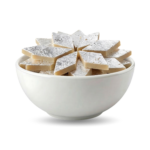 Kaju Katli
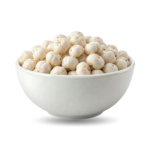 Makhana
 Peanuts
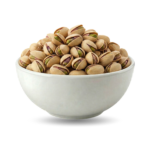 Pistachios
 Raisins
 Seeds
Seeds Walnuts