Get 5% Off your first order! Use Code : MEWAMITRA5
Free Flavoured Cashews on Orders Above ₹2999
🚚 Free Shipping on Orders Above ₹799 | Shop Now & Save More!
Mewa Mitra Royal Combo – ₹1,392 | Premium Dry Fruits
Mewa Mitra Signature Combo – ₹1172 | Best Seller
Mewa Mitra Classic Combo – ₹888 | Value Pack
Mewa Mitra Elite Combo – ₹489 | Value Pack
Get 5% Off your first order! Use Code : MEWAMITRA5
Free Flavoured Cashews on Orders Above ₹2999
🚚 Free Shipping on Orders Above ₹799 | Shop Now & Save More!
Mewa Mitra Royal Combo – ₹1,392 | Premium Dry Fruits
Mewa Mitra Signature Combo – ₹1172 | Best Seller
Mewa Mitra Classic Combo – ₹888 | Value Pack
Mewa Mitra Elite Combo – ₹489 | Value Pack


Diabetic Friendly Dry Fruits for Snacking

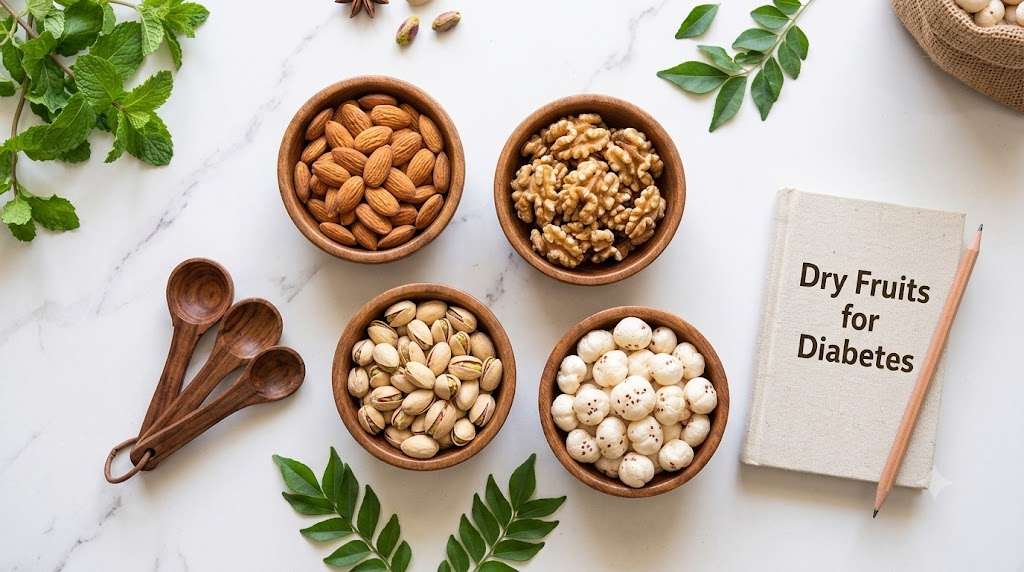
If you or someone in your family lives with diabetes, you probably know how complicated everyday snacking can feel. Sweets are limited, biscuits are tempting, and even a simple snack can make you wonder how it might affect your blood sugar.
The good news is that having diabetes does not automatically mean giving up nuts and dry fruits. Many nuts and seeds can fit into a diabetes-friendly eating pattern when you choose minimally processed options and keep portions under control.
In this guide, we will look at some practical dry fruits and nuts for diabetes, which options to limit, how much to eat, and simple snack ideas that can make everyday choices easier.
This is general nutrition information, not medical advice. Individual blood sugar responses vary, so follow the guidance of your doctor or dietitian and monitor your glucose as recommended.
Why Nuts Can Be a Good Choice for People With Diabetes
Many nuts are naturally low in carbohydrates and provide fibre, protein and unsaturated fats. Because of this combination, they can be more filling than many refined snack foods such as biscuits, sweets or sugary packaged snacks.
Research has also explored the role of moderate nut consumption in people with type 2 diabetes, including its potential relationship with blood sugar management and heart health.
However, there is an important distinction: nuts are not a treatment for diabetes. Their value comes from how they fit into an overall eating pattern, particularly when they replace less nutritious snacks.
And because nuts are energy-dense, eating large portions can add a significant number of calories.
Almonds: A Simple Everyday Option
Almonds are naturally low in carbohydrates and provide fibre, protein, magnesium and vitamin E.
A small portion, such as around 8 to 10 almonds, can work as part of a balanced snack for many people. Choose plain, unsalted almonds rather than sugar-coated or heavily flavoured versions.
You can explore Mewa Mitra’s almond collection for plain almond options.
Walnuts: A Nut With Plant-Based Omega-3 Fats
Walnuts are particularly known for containing alpha-linolenic acid, a plant-based omega-3 fatty acid.
They are also calorie-dense, so you do not need a large handful to enjoy them. Around 2 to 3 walnut halves can be a practical starting portion.
Try adding chopped walnuts to unsweetened curd, oats or a homemade salad.
For more options, explore Mewa Mitra’s walnut collection.
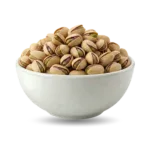
Pistachios: A Satisfying Snack
Pistachios provide protein, fibre and healthy fats. One practical advantage is that shelling pistachios can naturally slow down your eating.
Around 20 pistachios can be used as a moderate snack portion, depending on your overall diet and individual nutritional needs.
Choose plain or unsalted pistachios whenever possible.
Cashews: Enjoy Them in Moderation
Cashews can also be part of a diabetes-friendly diet, but portion size matters.
Compared with some other nuts, cashews contain a little more carbohydrate, so it is useful to avoid treating them as an unlimited snack. Around 5 to 6 unsalted cashews can be a reasonable small portion for many people.
For more information, read our guide on the health benefits of cashews and explore the Mewa Mitra cashew collection for plain options.
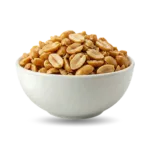
Peanuts: An Affordable Protein-Rich Choice
Peanuts are technically legumes rather than tree nuts, but nutritionally they can work in a similar way as a snack.
Plain, unsalted or dry-roasted peanuts provide protein, fibre and healthy fats and can be quite filling.
The key is to avoid turning a small snack into several handfuls. Measure your portion instead of eating directly from a large packet.
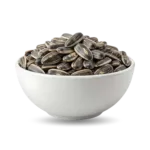
Seeds: Small Additions With Useful Nutrients
Pumpkin, sunflower, flax and chia seeds can add fibre, healthy fats and minerals to everyday meals.
You do not need a large quantity. Try adding around one tablespoon to:
- Plain curd
- Vegetable salads
- Oats
- Sprouted moong
- Homemade smoothies without added sugar
Seeds can also be combined with a small portion of nuts to create a simple homemade snack mix.
What About Plain Makhana?
Makhana, also known as fox nuts or lotus seeds, is another popular Indian snack option.
Plain roasted makhana can be a lighter alternative to fried or heavily processed snacks. However, “light” does not mean you can eat unlimited amounts, especially if the makhana is prepared with significant amounts of oil, sugar or other toppings.
Try a small bowl of plain roasted makhana seasoned with simple spices.
You can also read our detailed guide on makhana for weight loss to understand more about portions and preparation.
Dry Fruits to Limit When You Have Diabetes
This is where it helps to distinguish between nuts and dried fruits.
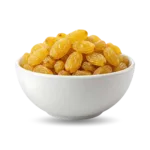
Dried fruits such as dates, raisins, dried mango, dried pineapple, sweetened cranberries and candied fruit can contain concentrated amounts of naturally occurring or added sugar.
Because the water has been removed, it is easy to eat several pieces without realising how much carbohydrate you are consuming.
That does not necessarily mean every person with diabetes must completely avoid dried fruit. Individual dietary needs vary. But portions should be small, and products with added sugar should generally be avoided.
Figs and prunes also contain natural sugars, so portion size still matters. If you include them, keep the serving small and consider how your blood glucose responds.
Portion Size Is One of the Most Important Factors
Even nutritious nuts can contribute a substantial amount of energy when eaten in large quantities.
A portion of roughly 20 to 30 grams may work for many adults, but there is no single serving size that is right for everyone.
Your needs can depend on your:
- Overall diet
- Blood glucose levels
- Medication
- Activity level
- Weight-management goals
- Other health conditions
If you are unsure about your ideal portion, ask your doctor or dietitian.
A simple trick is to measure your snack before eating it. After doing this regularly, you will get a better visual idea of what an appropriate portion looks like.
Choose Plain Instead of Coated
When buying nuts or dry fruits, check how they have been prepared.
Try to limit products that are:
- Honey roasted
- Sugar glazed
- Chocolate coated
- Candied
- Heavily salted
- Covered with sweet flavouring
Instead, look for:
- Raw nuts
- Unsalted nuts
- Dry-roasted nuts
- Plain seeds
- Plain roasted makhana
Ingredient labels are especially useful here. A product that looks like a healthy snack can contain added sugar, syrups or large amounts of sodium.
Our guide to flavoured versus plain roasted cashews can help you understand what to look for when comparing products.
When Is the Best Time to Eat Nuts?
There is no universal “best time” to eat nuts when you have diabetes.
Some people find that a small portion between meals helps them manage hunger and avoid reaching for biscuits, sweets or other refined snacks later.
You can have nuts:
- As a mid-morning snack
- In the afternoon
- With unsweetened curd
- Alongside a balanced breakfast
- As part of a small evening snack
If you monitor your blood glucose at home, your healthcare professional may recommend checking your levels around meals or new foods. This can help you understand how your own body responds.
Do not change medication based only on a food-related glucose reading. Discuss repeated patterns with your healthcare team.
Easy Diabetes-Friendly Snack Ideas
Here are some simple combinations that can work as part of a balanced eating pattern:
Almond and Walnut Mix
Try 5 almonds with 2 walnut halves. Keep the portion measured rather than eating directly from a packet.
Roasted Makhana
Have a small bowl of plain roasted makhana with spices such as black pepper or roasted cumin.
Peanut Chaat
Combine a small portion of unsalted peanuts with chopped onion, tomato, coriander and lemon.
Pistachios With Unsweetened Tea
A small serving of plain pistachios can be a simple afternoon snack with unsweetened tea.
Sprouted Moong Salad
Add a small amount of crushed almonds, pumpkin seeds or sunflower seeds to a homemade sprouted moong salad.
Plain Curd With Seeds
Add a spoonful of pumpkin, flax or chia seeds to unsweetened curd.
The goal is not to create a “diabetes superfood.” It is simply to build snacks that are satisfying without relying heavily on added sugar or refined carbohydrates.
How to Read a Food Label if You Have Diabetes
Reading the ingredient list is one of the easiest ways to make better packaged-snack choices.
Look for added ingredients such as:
- Sugar
- Glucose syrup
- Honey
- Jaggery
- Maltodextrin
- Other sweetening syrups
Also check the total carbohydrate and added sugar information on the nutrition panel where available.
Do not focus only on the words “sugar-free.” A sugar-free product can still contain carbohydrates or other ingredients that may affect your overall diet.
It is also worth checking sodium, particularly if you have been advised to limit salt.
When possible, choose products with simple ingredient lists and minimal processing.
What About Sweets Like Kaju Katli?
Traditional sweets such as kaju katli contain sugar, so they are better treated as occasional foods rather than everyday snacks.
If you decide to have a small portion during a festival or special occasion, consider having it as part of or after a balanced meal rather than eating several pieces on an empty stomach.
Your individual glucose response and medical advice should guide what is appropriate for you.
If you want to explore the product, see Mewa Mitra’s Kesar Kaju Katli collection.
The Bigger Picture Matters More Than One Snack
Managing diabetes involves much more than choosing the right dry fruit.
Your overall routine can include:
- Taking prescribed medicines correctly
- Following your healthcare professional’s nutrition advice
- Staying physically active
- Getting adequate sleep
- Managing stress
- Monitoring blood glucose as advised
- Attending regular health checkups
Nuts and seeds can be one small part of that routine. They do not replace medication, medical care or an overall balanced diet.
If weight management is one of your goals, you can also read our guide to the best dry fruits for weight management and learn how portion size fits into a balanced eating pattern.
Frequently Asked Questions
Can people with diabetes eat cashews?
Yes, cashews can fit into a diabetes-friendly eating pattern for many people when eaten in appropriate portions. Choose plain or unsalted cashews and discuss your individual carbohydrate needs with your healthcare professional.
Which dry fruit is best for diabetes?
There is no single “best” dry fruit for everyone with diabetes. Almonds and walnuts are commonly included because they provide fibre, protein and healthy fats while containing relatively little carbohydrate. Individual needs still matter.
Can people with diabetes eat dates?
Dates contain naturally occurring sugar and carbohydrates, so portion size is important. Some people may be able to include a small amount, while others may need to limit them more closely. Follow your healthcare professional’s advice.
Can I eat dry fruits at night if I have diabetes?
A small portion of plain nuts may be suitable for some people at night, but there is no special health benefit to eating them at bedtime. Your overall diet and individual glucose response matter more than the clock.
Are raisins good for people with diabetes?
Raisins contain concentrated natural sugar because they are dried grapes. They can therefore be easy to overeat. If you include them, keep the portion small and consider your overall carbohydrate intake.
Is makhana good for people with diabetes?
Plain roasted makhana can be used as an alternative to some processed snacks, but portion size and preparation still matter. Avoid versions with added sugar and large amounts of oil.
Final Thoughts
Living with diabetes does not mean every snack has to feel restrictive.
The most practical approach is to focus on plain ingredients, sensible portions and your overall eating pattern. Almonds, walnuts, pistachios, peanuts, seeds and plain roasted makhana can all have a place in a balanced routine for many people.
Instead of asking whether a particular food is completely “good” or “bad,” look at how much you eat, how it is prepared and what you are eating alongside it.
Most importantly, listen to your healthcare team and learn how your own blood glucose responds.
You can explore Mewa Mitra’s plain dry fruit collection for simple everyday options and visit the Mewa Mitra blog for more practical guides on nuts, dry fruits and healthy snacking.



 Almonds
 Cashew
 Kaju Katli
 Makhana
 Peanuts
 Pistachios
 Raisins
 Seeds
Seeds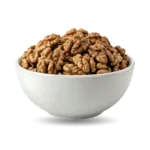 Walnuts