Get 5% Off your first order! Use Code : MEWAMITRA5
Free Flavoured Cashews on Orders Above ₹2999
🚚 Free Shipping on Orders Above ₹799 | Shop Now & Save More!
Mewa Mitra Royal Combo – ₹1,392 | Premium Dry Fruits
Mewa Mitra Signature Combo – ₹1172 | Best Seller
Mewa Mitra Classic Combo – ₹888 | Value Pack
Mewa Mitra Elite Combo – ₹489 | Value Pack
Get 5% Off your first order! Use Code : MEWAMITRA5
Free Flavoured Cashews on Orders Above ₹2999
🚚 Free Shipping on Orders Above ₹799 | Shop Now & Save More!
Mewa Mitra Royal Combo – ₹1,392 | Premium Dry Fruits
Mewa Mitra Signature Combo – ₹1172 | Best Seller
Mewa Mitra Classic Combo – ₹888 | Value Pack
Mewa Mitra Elite Combo – ₹489 | Value Pack
Makhana for Weight Loss: Myth or Reality?


Walk into almost any supermarket today and you will probably find makhana sitting next to protein bars, roasted nuts and other so-called healthy snacks.
A few years ago, makhana was mostly associated with fasting, kheer and traditional Indian recipes. Today, it has become a popular everyday snack. Fitness enthusiasts carry roasted makhana to work, brands sell it in dozens of flavours, and social media is full of claims about makhana for weight loss.
But how much of that is actually true?
Can eating makhana help you lose weight? Is it genuinely a healthier alternative to chips and namkeen? And can something that contains carbohydrates really be called a weight-loss food?
The answer is more practical than the internet often makes it sound.
Makhana can be a useful part of a weight-management diet, but it is not a magic food that burns fat.
At Mewa Mitra, we regularly hear questions about makhana, portion sizes, roasting methods and the best ways to eat it. So, instead of promising overnight results, let us look at what makhana actually offers and how you can use it sensibly.
What Exactly Is Makhana?
Makhana is commonly known as fox nut, fox nuts or popped lotus seed, although technically it comes from the seeds of the water lily plant Euryale ferox.
The seeds are collected, dried and processed before being heated and popped. This creates the familiar white, lightweight kernels with a slightly crunchy texture.
Makhana has been used in Indian cooking and traditional fasting diets for generations. Bihar is particularly well known for makhana cultivation and processing.
Today, it is eaten in many different ways, from simple roasted makhana to curries, kheer, snacks and flavoured varieties.
Its light texture is one of the reasons it has become so popular as a replacement for heavier packaged snacks.
Makhana Nutrition: How Many Calories Does It Have?
One of the first things people search for is makhana calories.
Dry makhana contains roughly 350 calories per 100 grams, although the exact nutritional values can vary depending on the variety and processing method.
At first, 350 calories may not sound particularly low.
But there is an important detail: most people do not eat 100 grams of makhana in one sitting.
A serving of around 25 to 30 grams gives you a fairly large bowl once the kernels are roasted. This makes makhana feel more substantial than the same weight of some calorie-dense nuts.
Makhana is also naturally low in fat compared with many nuts and seeds. It provides carbohydrates, some protein and minerals such as magnesium and potassium.
However, the nutritional profile changes considerably once you add ingredients such as ghee, butter, sugar, chocolate or heavy seasoning.
So when comparing products, do not look only at the word makhana on the front of the packet. Look at the complete nutrition label.
So, Does Makhana Actually Help With Weight Loss?
Here is the straightforward answer:
Makhana can support weight loss, but it does not directly burn body fat.
There is no single food that automatically causes fat loss.
Weight loss generally occurs when you maintain a calorie deficit over time, meaning your body uses more energy than you consume. Your overall diet, physical activity, sleep, lifestyle and individual health also influence the process.
So where does makhana fit in?
It can be useful because it gives you a crunchy and relatively light snack option.
Imagine that you normally eat a packet of fried namkeen in the afternoon. You replace it with a controlled portion of dry-roasted makhana.
That simple substitution may reduce the amount of calories and added fat you consume from snacks.
Do that consistently as part of an otherwise balanced diet, and it can contribute to better weight management.
The benefit comes from the overall eating pattern, not from makhana having a special fat-burning property.
The Big Makhana Weight-Loss Myth
One of the biggest myths surrounding healthy snacks is that simply adding them to your diet will cause weight loss.
Makhana is no exception.
You could eat a large bowl of makhana every evening and still gain weight if your total calorie intake remains higher than your body’s needs.
The same applies to “healthy” toppings.
A bowl of makhana roasted with generous amounts of ghee, butter, cheese seasoning or sugar can contain considerably more calories than plain roasted makhana.
This is why the preparation method matters almost as much as the food itself.
The Reality: Why Makhana Can Be a Useful Snack
The real advantage of makhana is simple.
It can make it easier to choose a lighter snack without feeling like you are eating something boring.
Plain or lightly seasoned makhana is:
- Light and crunchy
- Relatively low in fat
- Easy to portion
- Convenient to carry
- Versatile enough for sweet and savoury recipes
- Naturally gluten-free
For many people, replacing biscuits, fried namkeen or chips with a sensible portion of roasted makhana can be a practical dietary change.
That does not make makhana a “superfood.”
It simply makes it a useful option.
Makhana vs Other Popular Snacks
It is easier to understand the value of makhana when you compare it with other everyday snacks.
Makhana vs Fried Namkeen
Plain roasted makhana generally contains much less added oil than deep-fried namkeen.
If you are trying to reduce your intake of fried snacks, makhana can be a convenient alternative.
Makhana vs Roasted Chana
Roasted chana generally provides more protein and fibre, while makhana is lighter and has a different texture.
There is no need to choose one forever. Both can have a place in a balanced snack routine.
Makhana vs Almonds and Cashews
Almonds and cashews provide more dietary fat and are nutritionally different from makhana.
Makhana is lighter per typical serving, while nuts can provide more healthy fats and, depending on the nut, more fibre and protein.
This is why variety is often more useful than searching for one “perfect” snack.
If you are building a healthier snacking routine, our guide to the best dry fruits for weight management can help you compare different options.
How Much Makhana Should You Eat in a Day?
There is no single portion that is perfect for everyone.
For a general snack, around 25 to 30 grams is a practical starting point for many adults.
The exact amount should depend on your overall diet, calorie needs and health goals.
One of the easiest mistakes is eating straight from a large packet. Because makhana is so light, it is surprisingly easy to keep reaching for another handful.
Instead, measure your portion into a bowl and put the remaining makhana away.
That small habit can make portion control much easier.
If you have diabetes, kidney disease or another condition requiring dietary restrictions, your appropriate portion may be different. In such cases, follow the advice of your doctor or registered dietitian.
What Is the Best Way to Eat Makhana for Weight Loss?
If weight management is your goal, the simplest preparation is often the best.
1. Dry-Roasted Makhana
Roast makhana in a pan without adding much oil. Season it lightly with black pepper, cumin powder or a small amount of salt.
This keeps the preparation simple while giving you the crunch you want from a snack.
2. Lightly Roasted With Ghee
If you enjoy the flavour of ghee, you do not necessarily need to eliminate it.
A small amount can add flavour. The key is not to turn a light snack into a heavily coated one.
3. Makhana With Curd
Crushed or roasted makhana can be added to curd with suitable spices for a quick savoury snack.
4. Makhana Trail Mix
Combine roasted makhana with a small amount of almonds, pumpkin seeds or other nuts and seeds.
Just remember that nuts and seeds are calorie-dense, so keep the overall portion controlled.
5. Makhana Kheer
Makhana can also be used in kheer.
However, if your primary goal is weight management, pay attention to the amount of sugar, jaggery, milk and other ingredients used.
A traditional dessert and a weight-management snack are not the same thing simply because both contain makhana.
How to Roast Makhana at Home
Making roasted makhana at home is surprisingly easy.
Start by heating a wide, dry pan over a low to medium flame.
Add the makhana and spread it across the pan. Stir frequently so that the kernels roast evenly.
It usually takes around 6 to 8 minutes, although the exact time depends on the pan, heat and quantity.
The easiest test is to take one piece and press or bite it after allowing it to cool slightly.
If it feels crisp and breaks easily instead of feeling chewy, it is ready.
Once roasted, remove it from the heat and add your seasoning.
Try black pepper, roasted cumin, turmeric or a small amount of rock salt for a simple homemade version.
The advantage of roasting at home is that you control the amount of oil and seasoning that goes into your snack.
What Can Ruin the Benefits of Makhana?
This is where many “healthy snack” claims become misleading.
Makhana itself may be relatively light, but the ingredients added to it can change the overall nutritional profile.
Watch out for:
- Large amounts of ghee or butter
- Deep-frying
- Sugar coatings
- Chocolate coatings
- Heavy cheese seasoning
- High-sodium masala
- Very large portions
Flavoured makhana is not automatically unhealthy. But if you eat it regularly, check the nutrition label and compare the serving size.
For example, Mewa Mitra’s roasted and flavoured makhana collection gives you different options when you want something beyond plain roasted makhana.
The key is to understand what you are buying rather than judging the product only by its packaging or flavour name.
A Simple 7-Day Makhana Snack Routine
If you are bored with eating the same snack every day, you can keep makhana interesting without making every preparation heavy.
Monday: Plain roasted makhana with green tea
Tuesday: Roasted makhana with curd and a little chaat masala
Wednesday: Makhana with a small portion of almonds and pumpkin seeds
Thursday: Homemade makhana snack with a light jaggery preparation
Friday: Lightly seasoned peri-peri makhana
Saturday: Makhana mixed with other roasted seeds
Sunday: A small serving of homemade makhana kheer
You do not need to eat makhana every day to benefit from it. Think of it as one option in a varied diet rather than a compulsory weight-loss food.
Who Should Be Careful With Makhana?
Makhana is generally well tolerated by many people, but individual dietary needs are different.
If you have kidney disease or another condition requiring potassium or phosphorus restrictions, speak with your healthcare professional before making makhana a regular part of your diet.
People with food allergies should also avoid makhana if they have previously experienced an allergic reaction to it.
And if you suddenly start eating very large quantities of any high-carbohydrate or fibre-containing food, you may experience digestive discomfort.
As with most foods, moderation and individual tolerance matter.
Makhana During Fasting
Makhana has a long association with Indian fasting traditions, which is one reason it remains such a popular vrat food.
Plain roasted makhana can be prepared with ingredients commonly used during fasting, such as rock salt, depending on the particular fasting tradition.
However, fasting rules differ between families and communities.
If you are buying packaged flavoured makhana for vrat, always check the ingredients rather than assuming that every makhana product is fasting-friendly.
For more ideas, explore our guide to Navratri fasting and dry fruits.
Is Makhana Good for People With Diabetes?
This is another area where internet advice can become too simplistic.
Makhana is not automatically a “diabetes food.”
Plain roasted makhana can fit into some people’s diets, but portion size and the rest of the meal still matter. Flavoured varieties may also contain additional ingredients that affect the overall carbohydrate and calorie content.
If you have diabetes, monitor how different foods affect your blood glucose and follow the dietary plan recommended by your healthcare professional.
For a broader guide to making sensible snack choices, read our article on diabetic-friendly dry fruit snacking.
How Should You Store Makhana?
Makhana absorbs moisture quickly.
That is why a perfectly crisp packet can become soft if it is left open for too long, particularly in humid weather.
Store it in a clean, dry, airtight container and keep it away from direct sunlight and moisture.
If your makhana has lost some of its crunch but still smells and tastes fresh, you can briefly dry-roast it again in a pan.
Let it cool completely before putting it back into an airtight container.
You can explore more everyday snack and dry-fruit options in the Mewa Mitra dry-fruit collection.
Frequently Asked Questions About Makhana for Weight Loss
Can I eat makhana every day for weight loss?
Yes, makhana can be included regularly if it fits your overall calorie and nutrition needs. The important factors are portion size, preparation method and your overall diet.
Is makhana better than almonds?
They serve different nutritional purposes. Makhana is lighter and provides a crunchy, low-fat snack option, while almonds provide more fat, fibre and other nutrients. Both can fit into a balanced diet.
Is makhana good to eat at night?
A small serving of plain roasted makhana can be a convenient evening snack for many people. However, whether it suits you at night depends on your overall diet, portion size and individual digestion.
Will makhana reduce belly fat?
No food can specifically target belly fat. Makhana may support weight management when it replaces higher-calorie snacks and helps you maintain an appropriate overall calorie intake.
Is roasted makhana healthy?
Plain or lightly seasoned roasted makhana can be a nutritious snack option. However, the final nutritional value depends on how it is prepared. Large amounts of ghee, butter, sugar or high-sodium seasoning can significantly change the snack.
How many calories are in makhana?
Dry makhana contains roughly 350 calories per 100 grams, although values can vary between products. A typical 25 to 30 gram serving contains considerably fewer calories, but added oil and seasonings need to be included when calculating the total.
Final Thoughts: Is Makhana Really Good for Weight Loss?
So, is makhana for weight loss a myth or reality?
The miracle claim is the myth.
The practical benefit is the reality.
Makhana does not melt belly fat, speed up metabolism overnight or replace a balanced diet. What it can do is give you a convenient, crunchy snack that may be easier to fit into a calorie-controlled eating pattern than many fried or heavily processed alternatives.
The smartest way to eat it is simple:
Choose a sensible portion. Keep the preparation light. Read the label. And look at your entire diet rather than one individual food.
If you enjoy makhana, there is no reason to treat it as a temporary “diet food.” Make it one of several snack options you genuinely enjoy.



 Almonds
 Cashew
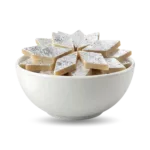 Kaju Katli
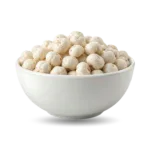 Makhana
 Peanuts
 Pistachios
 Raisins
 Seeds
Seeds Walnuts