Get 5% Off your first order! Use Code : MEWAMITRA5
Free Flavoured Cashews on Orders Above ₹2999
🚚 Free Shipping on Orders Above ₹799 | Shop Now & Save More!
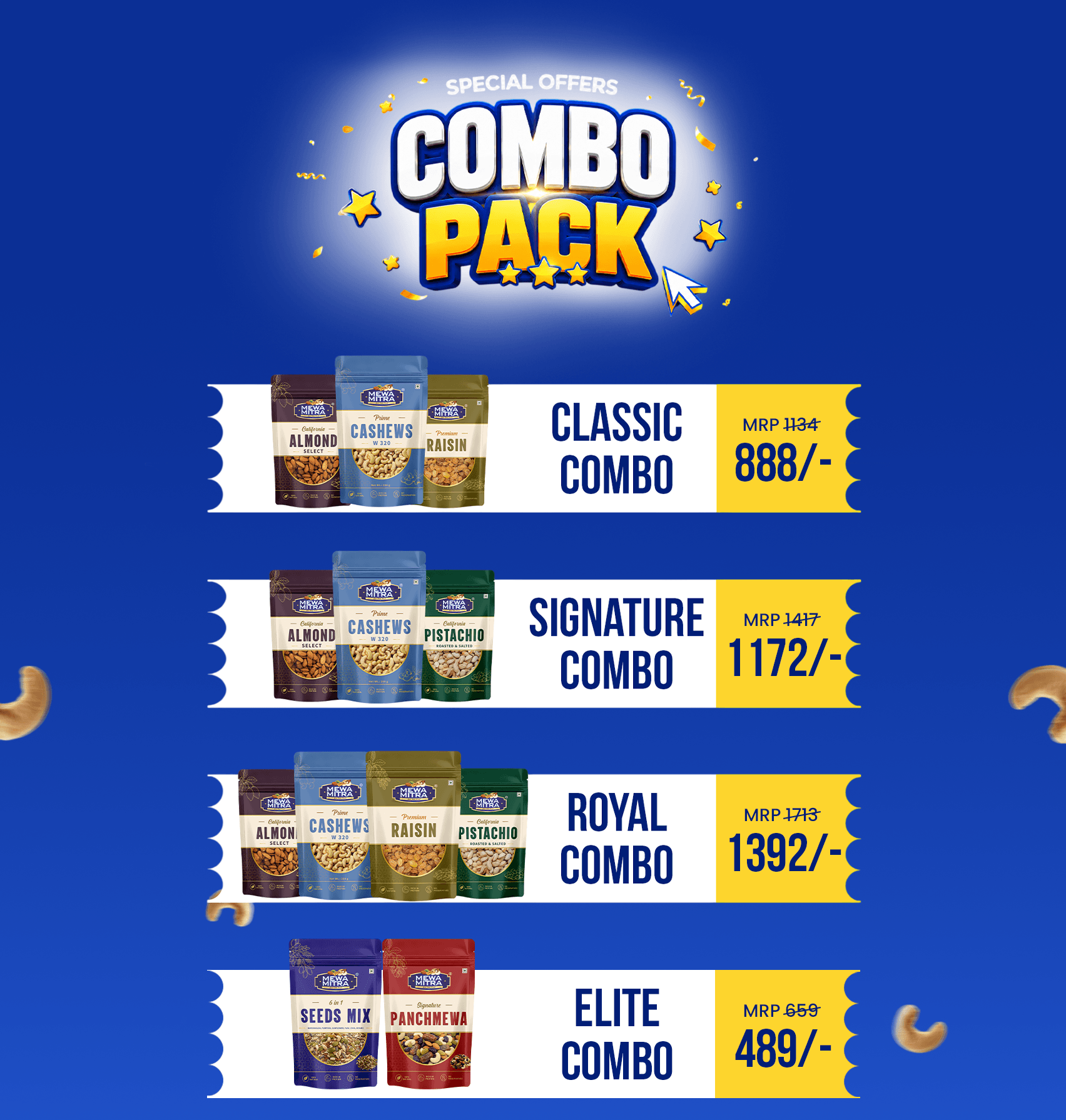
Mewa Mitra Royal Combo – ₹1,442 | Premium Dry Fruits
Mewa Mitra Signature Combo – ₹1222 | Best Seller
Mewa Mitra Classic Combo – ₹913 | Value Pack
Mewa Mitra Elite Combo – ₹489 | Value Pack
Get 5% Off your first order! Use Code : MEWAMITRA5
Free Flavoured Cashews on Orders Above ₹2999
🚚 Free Shipping on Orders Above ₹799 | Shop Now & Save More!
Mewa Mitra Royal Combo – ₹1,442 | Premium Dry Fruits
Mewa Mitra Signature Combo – ₹1222 | Best Seller
Mewa Mitra Classic Combo – ₹913 | Value Pack
Mewa Mitra Elite Combo – ₹489 | Value Pack
Dry Fruit Hampers for Diwali: What to Look for Before Buying

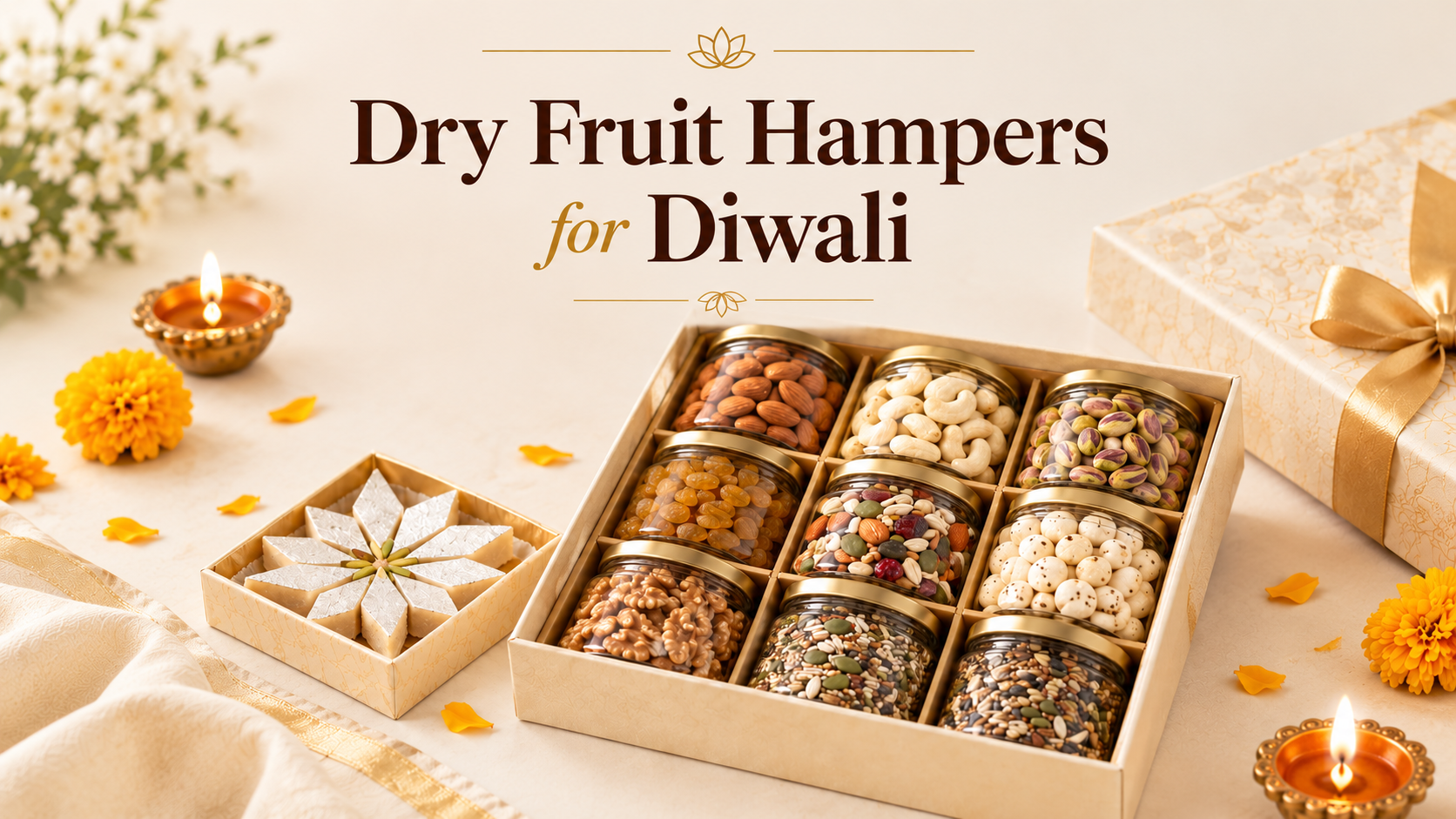
If you are looking for a dry fruit hamper for Diwali, it is very easy to get distracted by the box. Ribbons, gold borders and glossy trays all look festive, but none of them tell you what is actually inside. Before you order, take two minutes to check the things that really matter: how much dry fruit you are getting, which varieties they are, how fresh the packs are and how well everything is sealed.
Here is the short version. Look for the weight of each item, the name or grade of each nut, the packing and best-before dates, the FSSAI licence number, whether the nuts are plain or salted, and proper sealed pouches. Leave the decoration for last.
When to order
Diwali 2026 is on Sunday, 8 November. Dhanteras is on Friday, 6 November and Bhai Dooj is on Tuesday, 10 November. Some regions start a day earlier, and one calendar I came across shows Bhai Dooj a day later, so it is worth checking your local panchang. That gives you roughly four weeks. If your gifts are going to another city, try to order by the end of October so a courier delay does not spoil your plans.
Nine things to check before you buy
1. The weight of every item
‘Premium hamper’ does not tell you much. ‘250 g almonds, 250 g cashews, 250 g raisins’ tells you everything. Look for the net weight of each item, not only the weight of the whole box, because the tray, the box and the ribbon all add to it. If a listing gives no weights, ask the seller before you order.
2. The variety or grade of each nut
A good listing names what you are buying: which almond, which cashew grade, which raisins. Cashews are sold in W grades like W180, W210, W240 and W320, and a lower number usually means a bigger kernel. Bigger looks more impressive when the box is opened, but it is not automatically tastier. If you want to understand the grades properly, read our cashew grading guide. A hamper that only says ‘assorted dry fruits’ leaves you guessing.
3. Dates, FSSAI number and label
Every packaged food should show an FSSAI licence number and a best-before or expiry date. Under the FSSAI Labelling and Display Regulations, 2020, ‘best before’ means the date until which the food keeps its full quality if stored as stated. After that it may still be safe to eat, but it may not taste as good.
One thing to know if you are ordering online. The rules allow online sellers to show most label details before you buy, but not the batch number or the date marks. So the packing and best-before dates are something you usually see only when the parcel arrives. If a seller is happy to tell you the packing date in advance, particularly for a big order, that is a good sign.
4. Plain, roasted or salted?
This is the detail people often miss. Some hampers include roasted and salted pistachios. They are great for snacking, but they may not suit someone who avoids salt, or someone who wants pistachios for kheer or barfi. For example, on our Signature combo page the pistachios are described as roasted and salted. So read the product description, not just the title.
If you are adding flavoured cashews or makhana to a gift, pack them in their own pouch so the smell does not travel to the plain nuts.
5. How it is sealed
Sealed inner pouches matter more than the outer box. Resealable pouches are best, because the person receiving the gift can open one pack without leaving the others exposed. A pretty box around loose nuts is not a good trade. The outer box should also be strong enough to survive the journey.
6. Allergies
Almonds, cashews, pistachios and walnuts are all tree nuts, and tree nuts are among the allergens that packaged food labels in India must declare. Please do not send a nut hamper to anyone with a nut allergy. If you are not sure, ask the family first or choose a different gift.
7. Compare by weight, not by box size
A bigger box does not always mean more dry fruit. A simple way to compare two hampers is to divide the price by the total weight in grams and multiply by 100. That gives you the cost per 100 g, which makes different boxes easy to compare. Use it along with checks 2 to 5, because a lower cost per 100 g does not tell you anything about quality or freshness.
8. Fit the hamper to the person
Plain almonds, cashews and raisins suit most people, which makes them a good choice for neighbours, colleagues and relatives you meet only a few times a year. Keep the more premium combinations for the few people who matter most to you. If the person is watching their sugar, plain nuts are usually a better choice than sweets, though anyone with a medical condition should follow their doctor’s advice. Our post on diabetic-friendly dry fruit snacking goes into this.
9. Delivery and timing
Food gifts are fussier than most. A hamper sitting in a hot courier van or a warm hallway loses freshness. Order early, check the address twice and ask how the parcel is packed if it is travelling far. For offices, shops or weddings, start with the bulk order page, and do it well before the festival.
Ready-made or build your own?
A ready-made combo is the easy option. The items and weights are fixed, so it is simple to compare, and it works well when your gift list is long. Mewa Mitra’s combo range lists 250 g of each item, for example in the Classic, Signature and Royal combos.
Building your own takes a little more effort, but you can fit the gift to the person. Pick pouches of almonds, cashews, pistachios and raisins in the sizes you like, and add some makhana for something lighter. If you want to include kaju katli, remember that sweets do not keep as long as dry fruits, so check the date and gift it soon after it arrives.
For ideas on what to put in a box, our guide to the best dry fruits for Diwali gifting goes through each nut, and the post on choosing a premium kaju gift box covers packaging and personal touches.
Warning signs
- No weights, or only a total weight.
- ‘Premium’ or ‘luxury’ with no variety or grade mentioned.
- No FSSAI number, or no dates on the pack.
- A large, decorative box with very little product in it.
- A price far below similar hampers, with no explanation. Ask whether the difference is in the grade, the weight or the packing date.
When the hamper arrives
Open it and look before you wrap anything. The pack should be sealed and the dates readable. Open one pouch and smell the nuts. They should smell mild. Rancid nuts smell sharp and bitter, a bit like old cooking oil or paint. They are not usually dangerous, but they taste bad, so do not gift them. Look for mould or colour changes too, and if something seems wrong, contact the seller straight away, before the festival and not after.
Until you give it away, keep the hamper somewhere cool, dark and dry, away from the stove, sunlight and strong-smelling food. The natural oils in nuts spoil with air, light and heat, which is why sealed packs matter. Cashews are fattier than almonds, walnuts and pistachios, so they go off a little sooner. If you bought early, sealed packs can also go in the fridge. Our storage guide has more detail.
FAQs
How much should I spend on a Diwali dry fruit hamper?
There is no fixed figure. Decide a budget per gift first, then compare hampers on weight and contents within that budget. A well-sealed hamper of good almonds and cashews is better than a large decorative one with average contents.
Is a bigger hamper always better value?
No. A larger box can simply mean more packaging. Compare the net weight, not the size of the box.
Should I gift plain or salted nuts?
Plain is the safer choice for most people. Roasted and salted nuts are nice for people who enjoy them, and they are best packed in their own pouch. The product description will tell you which kind a hamper has.
Can I add sweets to a dry fruit hamper?
Yes, but sweets like kaju katli have a shorter shelf life than dry fruits. Check the best-before date and storage instructions, and gift them soon after they arrive.
How early should I order?
For Diwali on 8 November, the end of October is a sensible target. Order earlier for other cities or for bulk orders.
Are nut hampers safe for everyone?
No. Almonds, cashews, pistachios and walnuts are tree nuts and should not be given to anyone with a nut allergy. If someone has a medical condition, their doctor’s dietary advice comes first.
Ready to choose?
Have a look at the combos or the full shop, and use these nine checks to compare whatever you find, on any website. Check the weights, check the dates, and have a very happy Diwali.
Sources


 Almonds
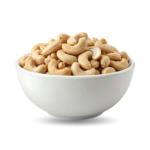 Cashew
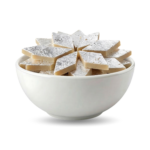 Kaju Katli
 Makhana
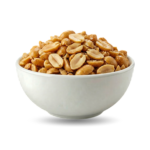 Peanuts
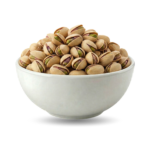 Pistachios
 Raisins
 Seeds
Seeds Walnuts